
Uncategorized
The ROI of Humidity Control: Is a Ceiling Ducted Dehumidifier Worth It?
Sep
Humidity control can become a costly matter for a building that runs 8, 10, or even 12 hours a day with high moisture levels.
You may spend money on a dehumidifier once, but regular costs associated with it can be electricity bills, maintenance, repairs and the costs for moisture related damage.
That is why the purchase price alone doesn’t tell you which dehumidifier is a good investment.
For example, a standard ceiling ducted dehumidifier may have a lower upfront cost, while an inverter model may cost more initially but adjust its capacity as the humidity level changes. If the system operates for several hours every day, that difference in energy use can become important over a 5-, 10-, or 15-year operating period.
So, before choosing a unit, ask a more useful question: How much will this dehumidifier cost me over its entire working life, not just on the day I buy it?
Let’s look at where the return on that investment can actually come from.
What Is a Ceiling Ducted Dehumidifier?
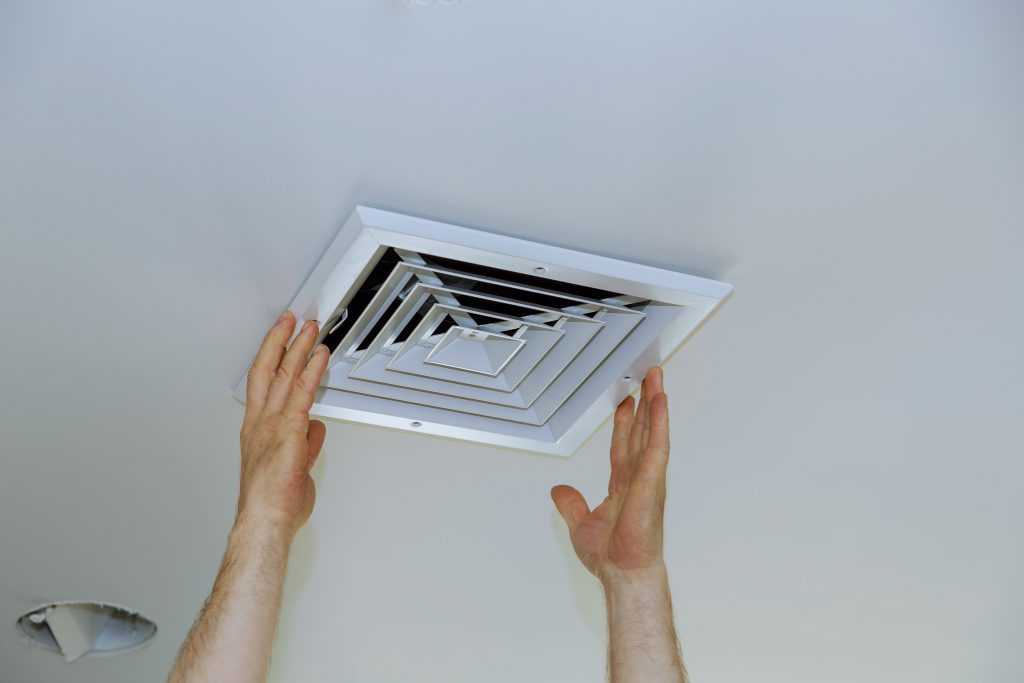
A ceiling ducted dehumidifier is designed to control moisture while being installed above the ceiling or integrated into a ducted air distribution system.
Unlike a portable dehumidifier that takes up space inside the room, a ceiling ducted dehumidifier stays out of the way. It removes excess moisture and sends the dehumidified air through ducts.
Risen offers both standard and inverter-type ceiling ducted dehumidifiers.
The standard range includes models such as RD-S28L-CD and RD-S40L-CD, while the newer inverter range includes models such as RD-SS28L-CD and RD-SS40L-CD.
Want to choose the right model for your building’s humidity load and operating requirements? Contact us to get the full specifications brochure for all our ceiling ducted dehumidifier models.
How to calculate the ROI on a dehumidifier?
The return on a dehumidifier investment comes from its complete life-cycle cost. It should include:
- Initial equipment cost
- Electricity consumption
- Maintenance
- Expected operating life
- Moisture-related repairs
- Occupant comfort
- Equipment and material protection
- Daily operating hours
For example, a lower-priced unit may cost less initially. But if that commercial facility needs humidity control throughout most of the day, it consumes more electricity during long operating periods. The difference can become more noticeable over several years.
This is why you should carefully pick between a standard and inverter dehumidifier.
Standard vs. Inverter Ceiling Ducted Dehumidifiers
A standard dehumidifier generally operates by switching its compressor on and off to maintain the desired humidity level.
An inverter model can adjust its operating capacity according to the humidity load. It can run at higher capacity when the moisture load is high. It reduces its capacity as the space gets closer to the target humidity.
Standard models: A practical choice for predictable demand
Risen’s standard ceiling ducted models, such as the RD-S28L-CD and RD-S40L-CD, can be suitable where humidity loads and operating requirements are relatively predictable.
The main advantage is straightforward operation and potentially lower initial equipment cost compared with an inverter model.
For a facility with limited operating hours or a relatively stable moisture load, the additional investment in inverter technology may not always be necessary.
The calculation should therefore start with how the building will actually use the equipment.
Why choose an inverter dehumidifier for changing humidity loads
Risen’s newer inverter range, including the RD-SS28L-CD and RD-SS40L-CD, uses inverter control to adjust capacity according to the dehumidification load.
The system operates at higher capacity when humidity is high. It reduces capacity when the desired humidity level is approached. It does not repeatedly cycle between full operation and shutdown.
For buildings that operate for long periods, this saves energy consumption.
According to Risen’s product information, its inverter-topped dehumidifiers can provide up to 70% lower energy consumption compared with non-inverter models, depending on operating conditions. Actual savings will vary with factors such as humidity load, temperature, operating hours, and the specific model.
Where Does the Investment Pay Off?
Leaving excess moisture untreated invites huge expenses.
High humidity invites problems like condensation and mold growth. Your property can have those lingering musty odors. Also, it can damage moisture-sensitive materials. Humidity is even bad for products, equipment, furniture, walls, ceilings, and other building components.
A dehumidifier does not eliminate all of these risks by itself, but keeping indoor humidity at an appropriate level can help reduce moisture-related problems.
A properly sized and installed ceiling ducted dehumidifier helps keep excess moisture under control instead of waiting for these problems to appear.
All property owners would rather prevent a problem than dealing with the repair later.
Look Beyond the Purchase Price
The real worth of a ceiling ducted dehumidifier can be calculated when you look at the price of the unit. Other factors that are useful to consider are:
- How many hours will it run each day?
- How much moisture does the space need to remove?
- How much electricity will it use?
- What will routine maintenance cost?
- How long is the equipment expected to operate?
- What could moisture problems cost if they are left untreated?
For example, a unit that runs 10 hours a day will have a very different long-term cost from one that runs only 2 or 3 hours a day. The same applies to a building with a heavy humidity load compared with one that only needs occasional moisture control.
Longer life higher ROI for ceiling ducted dehumidifier models
A dehumidifier needs regular cleaning, inspection, and maintenance to keep working properly. Filters, coils, drainage, electrical components, and other parts need timely servicing.
Risen’s inverter models are designed for long-term operation. They can have an average lifespan of more than 15 years depending on the model, usage, and other conditions.
When calculating whether a ceiling ducted dehumidifier is worth the investment, think in terms of years rather than the first invoice.
Is a Ceiling Ducted Dehumidifier Worth It?
Humid facilities cannot afford to ignore the cost of leaving humidity uncontrolled. So it is imperative for them to look at the ROI of the models available for commercial establishments.
A ceiling ducted dehumidifier can be a practical long-term solution for regular humidity control.
The best way to judge the investment is to look at the total cost over its expected operating life: equipment, electricity, maintenance, and the potential cost of moisture-related problems.
Not sure if a ceiling ducted dehumidifier is the right fit for your space? Talk to Risen to discuss your humidity-control requirements and find a solution that fits your building and operating needs.
